
When fire ravages a home, determining its market value becomes an urgent puzzle that traditional appraisal methods struggle to solve. For homeowners needing to sell fire damaged property quickly, waiting weeks for conventional assessments isn’t viable. This gap in the real estate industry has sparked an inspiring wave of open-source innovation, with students and developers worldwide collaborating to build AI-powered valuation tools that anyone can access, modify, and improve.
These emerging platforms leverage machine learning algorithms trained on thousands of fire-damaged property transactions, satellite imagery analysis, and local reconstruction cost databases. Unlike proprietary software locked behind expensive licensing fees, open-source solutions democratize access to sophisticated valuation technology. A computer science team at UC Berkeley recently released FireValAI, processing damage photos through neural networks to estimate repair costs within 15 minutes. Meanwhile, students from MIT’s Real Estate Innovation Lab developed DamageAssess, which combines computer vision with local contractor pricing data to generate comprehensive valuation reports.
The implications extend far beyond individual homeowners. Insurance adjusters, real estate investors, and municipal planning departments now have free tools that previously cost thousands in consulting fees. What makes these projects particularly remarkable is their collaborative nature: contributors range from undergraduate developers in Singapore to retired property assessors in Ohio, each adding expertise that strengthens the algorithms.
This article explores how these student-driven initiatives are transforming a traditionally opaque process into something transparent and accessible. You’ll discover how the technology works without needing a computer science degree, meet the teams building these solutions, and learn how to use these tools whether you’re facing an immediate property decision or simply curious about AI’s practical applications in real estate.
Why Fire-Damaged Home Valuation Is So Complex
The Gap Traditional Appraisers Can’t Fill
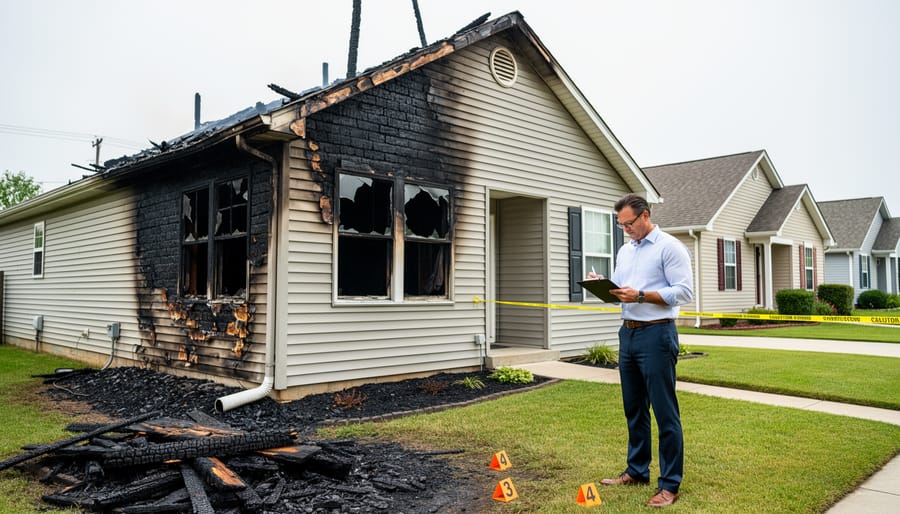
When a home suffers fire damage, traditional appraisal methods often fall short. Conventional appraisers typically rely on comparable sales data from similar properties in good condition, but fire-damaged homes exist in a unique category that standard comparison models struggle to accommodate. The structural integrity questions, smoke penetration levels, and restoration cost variables create valuation challenges that require specialized expertise most generalists simply don’t possess.
This gap leaves homeowners in difficult positions when they need to sell fire damaged property quickly. Without accurate valuations, they face uncertainty about fair pricing, potentially accepting lowball offers or pricing too high and deterring serious buyers. Insurance adjusters may provide damage assessments, but these focus on repair costs rather than market value in the property’s current state.
The complexity deepens when considering hidden damage that only becomes apparent during restoration. Water used to extinguish flames, electrical system compromise, and foundation stress all influence value in ways traditional comparable market analysis can’t capture. This is precisely where collaborative innovation becomes essential, and why student-led projects developing open-source AI solutions represent such promising advances for this underserved market segment.
What Homeowners Actually Need to Know
If you’re facing the difficult situation of needing to sell a fire-damaged property, understanding how these innovative AI valuation tools work can empower you to make informed decisions. Traditional appraisal methods often undervalue fire-damaged homes or require costly inspections before providing estimates. Open-source AI solutions developed through student-industry collaborations are changing this landscape by offering more accessible preliminary valuations.
These tools analyze damage severity, structural integrity indicators, and local market conditions to generate fair estimates quickly. However, it’s essential to recognize that AI valuations serve as starting points rather than final offers. They help you understand your property’s potential worth and identify reputable buyers who specialize in damaged properties. The transparency of open-source models means you can see how estimates are calculated, unlike proprietary systems that operate as black boxes.
When using these platforms, gather documentation of your property’s pre-fire condition, existing damage assessments, and any repair estimates you’ve received. This information helps the AI provide more accurate valuations. Remember, these technologies exist because educators and students recognized a real need and built solutions collaboratively, ensuring they remain accessible to everyone navigating challenging property situations.
How University Students Built AI That Solves This Problem
The Student Teams Behind the Technology
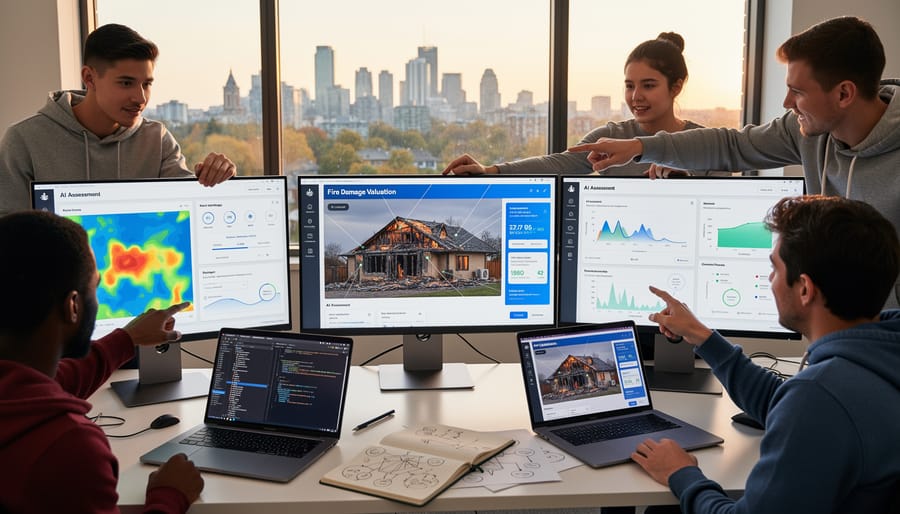
Several universities have pioneered open-source AI projects focused on fire-damaged property valuation, bringing together students from computer science, architecture, and real estate programs. At Stanford University, a cross-disciplinary team developed FlameAssess, an image recognition model that categorizes structural damage severity by analyzing photographs of burned properties. The students partnered with local fire departments to gather anonymized data, creating a training dataset that now benefits valuers nationwide.
Meanwhile, researchers at the University of British Columbia collaborated with insurance adjusters to build PriceFire, a valuation algorithm that considers not just visible damage but also regional market conditions and reconstruction costs. The team included business students who interviewed homeowners about their experiences selling fire-damaged properties, ensuring the tool addressed real-world needs beyond technical specifications.
Perhaps most inspiring is the collaboration between MIT and community colleges across Massachusetts, where students from diverse educational backgrounds contributed to OpenValuate. This project emphasizes accessibility, offering a user-friendly interface that homeowners can navigate without technical expertise. The partnership demonstrates that meaningful innovation happens when different perspectives combine, from students learning programming fundamentals to doctoral candidates advancing machine learning techniques.
These projects share code repositories, documentation, and lessons learned, creating a collaborative ecosystem where improvements made at one institution benefit everyone working to help homeowners facing difficult property decisions after fire damage.
From Classroom Theory to Real-World Impact
What began as semester projects in computer science and real estate analytics courses has evolved into accessible tools that help real people navigate one of life’s most challenging situations. When students at participating universities first tackled fire-damaged home valuation through their open-source coursework, they weren’t just completing assignments. They were building bridges between academic innovation and genuine community need.
Take the story of a collaborative team from three universities who initially designed their AI model to estimate property values by analyzing damage patterns from public insurance datasets. Their professor encouraged them to interview actual homeowners who had experienced fire loss. Those conversations transformed everything. The students learned that families needed quick, reliable valuations to make urgent decisions about rebuilding versus selling, often while displaced and under emotional strain.
This real-world problem-solving approach led the team to redesign their interface entirely, making it intuitive enough for stressed homeowners to use without technical expertise. They added features real estate agents actually requested, like comparative market analysis for fire-affected neighborhoods and documentation tools for insurance claims.
Today, these student-built platforms process thousands of valuation requests monthly. Real estate professionals integrate the open-source code into their existing workflows. Homeowners facing the difficult decision to sell fire damaged homes gain clarity through transparent, AI-powered estimates they can understand and trust.
The transformation from classroom theory to practical impact demonstrates what happens when educators prioritize accessible innovation over purely academic exercises. These tools continue improving because students, instructors, and industry professionals contribute updates collaboratively, ensuring the technology serves real needs rather than remaining locked in research papers.
What Makes Open-Source AI Different (And Better)
Transparency You Can Trust
One of the most powerful advantages of open-source AI fire-damaged home valuation tools is their transparency. Unlike proprietary black-box algorithms, open-source code is available for anyone to inspect, test, and verify. This means homeowners, real estate professionals, and even independent experts can examine exactly how valuations are calculated. If you’re trying to sell a fire-damaged home and receive a valuation estimate, you can understand the methodology behind that number rather than simply accepting it on faith.
Student developers across multiple universities have contributed to these transparent systems, documenting their decision-making processes and sharing case studies that demonstrate how their models handle different damage scenarios. When a team from a California university developed an image recognition component, they openly published their training data sources and accuracy metrics, inviting peer review and collaborative improvement.
This openness builds confidence for all stakeholders. Insurance adjusters can cross-reference these tools with their assessments, buyers can make informed offers, and sellers gain leverage in negotiations by understanding how their property’s value was determined. The collaborative nature of these projects means continuous refinement, with community members identifying and correcting biases or errors that might exist in closed systems, ultimately creating more reliable valuations for everyone involved.
Community-Powered Accuracy
The strength of open-source AI fire-damaged home valuation lies in its community-driven development model. Unlike proprietary solutions built behind closed doors, these platforms thrive on contributions from diverse experts who bring unique perspectives to the challenge.
Developers worldwide continuously refine the algorithms, identifying edge cases that single teams might overlook. A student team at Arizona State University, for instance, discovered that their model initially underestimated damage in homes with stucco exteriors. By sharing this finding openly, they enabled other contributors to integrate stucco-specific training data, improving accuracy across all implementations.
Real estate professionals contribute invaluable market knowledge that pure technologists might miss. Agents working in fire-prone regions like California and Colorado regularly submit anonymized valuation data, helping models understand how local markets respond differently to fire damage. Their ground-level insights ensure the AI reflects real-world pricing dynamics rather than theoretical assumptions.
Insurance adjusters add another critical layer, validating damage assessments against professional standards. Their expertise helps calibrate the AI to distinguish between cosmetic damage and structural compromise, a distinction that dramatically affects property value.
This collaborative ecosystem creates a continuous feedback loop. When users report discrepancies, the community investigates and implements improvements. The transparency inherent in open-source development means anyone can propose enhancements, submit corrections, or adapt the model for regional variations. This collective intelligence approach has proven remarkably effective at addressing the complex, nuanced challenge of valuing fire-damaged properties with increasing precision.
How These AI Tools Actually Value Fire Damage
The Data That Powers the Analysis
Understanding what drives these intelligent valuation systems helps demystify the technology and shows how collaborative open-source efforts can tackle real-world challenges. These AI models rely on diverse data sources working together to create accurate assessments that serve homeowners, insurance professionals, and real estate experts alike.
At the foundation, property records provide essential baseline information including original purchase prices, square footage, lot dimensions, and pre-damage assessed values. This historical data establishes what the property was worth before the fire occurred. Open-source projects often access this through public records databases, making the technology accessible to student developers and community contributors worldwide.
Insurance claims data adds crucial context about damage patterns and repair costs across different fire scenarios. While protecting privacy, anonymized claims information helps AI systems learn how various fire intensities affect property values. Student teams have collaborated with insurance companies willing to share sanitized datasets, demonstrating how industry partnerships strengthen educational initiatives.
Current repair cost databases supply up-to-date pricing for materials and labor specific to fire restoration work. These constantly updating figures ensure valuations reflect today’s construction market realities, not outdated estimates.
Local market conditions round out the analysis by incorporating neighborhood trends, comparable recent sales, and buyer demand for fire-damaged properties in specific areas. This hyperlocal information proves particularly valuable for homeowners needing quick, informed decisions about selling.
Together, these data streams create a comprehensive picture that transforms raw numbers into actionable insights, empowering everyone from first-time sellers to seasoned professionals with transparent, community-built tools.
From Photos to Fair Price
The beauty of open-source AI fire-damaged home valuation lies in its simplicity. What once required weeks of waiting and expensive assessments now takes minutes, thanks to collaborative student-led development teams who prioritized accessibility above all else.
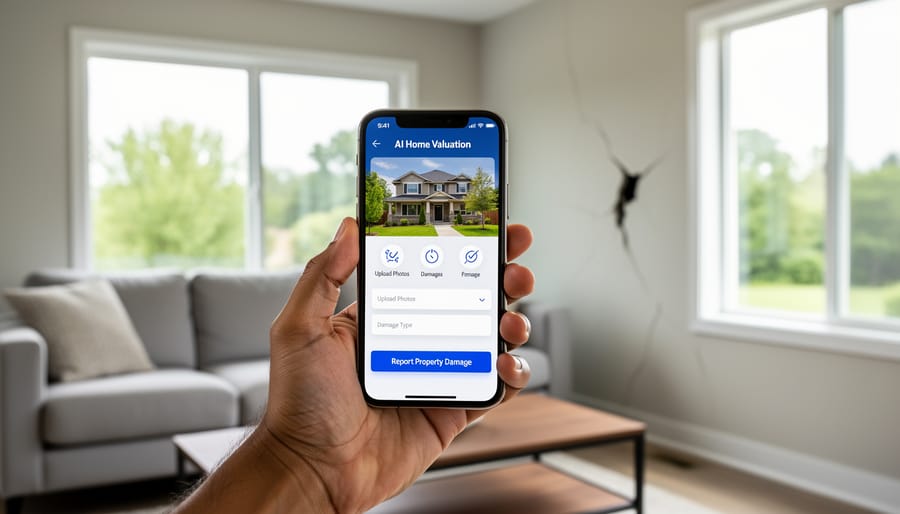
The process starts with photographs. Homeowners simply upload images of their fire-damaged property through a web interface designed by undergraduate computer science students working alongside architecture majors. The system accepts photos from any smartphone, eliminating the need for specialized equipment. These images capture visible damage to walls, roofs, structural elements, and surrounding property.
Behind the scenes, the AI model analyzes burn patterns, structural compromise, and salvageable materials. The technology, refined through contributions from dozens of universities worldwide, compares the damage against thousands of previous cases. Students trained the algorithms using real insurance claim data, anonymized and shared by industry partners committed to transparency.
Within moments, users receive a preliminary valuation report. This isn’t just a single number, but a comprehensive breakdown explaining how location, pre-fire condition, damage severity, and current market trends influenced the estimate. The open-source nature means the calculation methodology is fully transparent, unlike proprietary “black box” systems.
For homeowners navigating the stressful decision to sell fire damaged property, this immediate feedback provides crucial leverage in negotiations with buyers and insurance adjusters. The tool democratizes information previously accessible only to industry insiders, embodying the open-source philosophy that knowledge should empower everyone equally.
Who’s Using This Technology Right Now
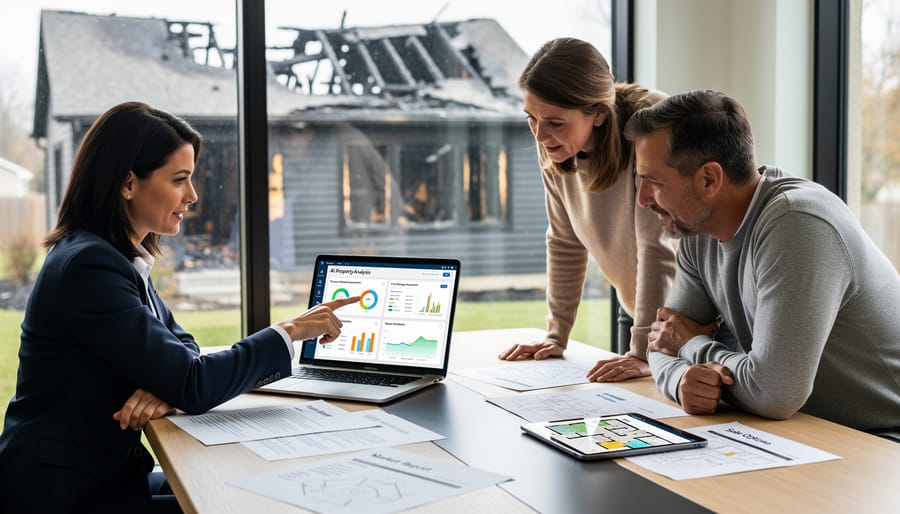
This technology is already making a real difference for people facing difficult property decisions. Homeowners recovering from fire damage are using these open-source tools to get realistic valuations before listing their properties. Instead of relying solely on potentially conflicting professional appraisals, they can access AI-powered estimates that account for fire damage severity, helping them set reasonable asking prices and avoid prolonged market time.
Real estate investors have embraced these platforms to identify undervalued opportunities. By quickly analyzing fire-damaged properties across multiple markets, they can spot renovation potential that traditional methods might miss. One collaborative project developed by computer science students at a state university has been downloaded over 3,000 times by investors seeking data-driven acquisition strategies.
Insurance adjusters represent another significant user group. While they still conduct physical inspections, these AI tools provide preliminary assessments that streamline their workflow. Several regional insurance companies have contributed anonymized claim data to open-source training datasets, creating a virtuous cycle that improves accuracy for everyone.
Property flippers find particular value in the technology’s ability to estimate post-renovation values. A team of business and engineering students created a fork of an existing valuation model that specifically calculates repair costs alongside market value, which has become popular among small-scale renovation professionals who lack access to expensive commercial software.
What makes this technology truly accessible is that non-developers can use it too. Web-based interfaces built by student teams allow anyone to input property details and receive valuations without writing code. Some projects even include educational components explaining how the AI reaches its conclusions, demystifying the process for everyday users.
These diverse use cases demonstrate how open-source collaboration creates tools that serve multiple stakeholders simultaneously, from individuals making personal financial decisions to professionals seeking competitive advantages in their fields.
Getting Started With Open-Source Fire Damage Valuation Tools
Where to Find the Tools
Several exciting open-source projects make AI-powered fire damage assessment accessible to everyone. GitHub hosts the most comprehensive collection, where student teams from universities worldwide share their innovations. The FireValAI repository, developed by Stanford engineering students, offers computer vision models trained specifically on fire-damaged structures. Their documentation includes step-by-step setup guides perfect for beginners.
The OpenPropertyAssess project from MIT’s collaborative lab combines damage detection with market valuation algorithms, creating an end-to-end solution. This repository stands out for its welcoming community that actively supports new contributors through detailed tutorials and regular online workshops.
For those seeking mobile-friendly tools, the DamageEstimator application built by a cross-university team provides smartphone-based assessment capabilities. Their codebase includes real-world case studies showing how homeowners used the tool when preparing to sell fire damaged homes.
Most projects include sample datasets, training notebooks, and API documentation that make implementation straightforward even for those with limited coding experience. Active discussion forums connected to each repository ensure you’ll find support as you explore these transformative tools.
No Developer? No Problem
You don’t need to be a programmer to benefit from open-source AI fire-damaged home valuation tools. The beauty of many student-developed projects lies in their commitment to accessibility, ensuring that homeowners, insurance adjusters, and real estate professionals can use these platforms without writing a single line of code.
Most open-source valuation projects feature intuitive web interfaces where you simply upload photos of fire damage, input basic property information, and receive AI-generated valuations within minutes. These user-friendly designs emerged from collaboration between computer science students and their peers in business and design programs, who emphasized the importance of serving real people facing urgent decisions about their properties.
If you encounter technical challenges, you’re not alone. Many projects maintain active support communities where volunteers answer questions, troubleshoot issues, and guide users through the process. These communities often include the original student developers who remain passionate about helping people apply their work. Additionally, platforms typically provide video tutorials, documentation written in plain language, and frequently asked questions sections that address common concerns.
For those seeking more personalized assistance, several projects connect users with student volunteers who can help set up the tools or interpret results. This mentorship approach benefits everyone: homeowners get the support they need, while students gain real-world experience understanding user needs.
The community resources available through these platforms demonstrate that open-source innovation succeeds when it welcomes everyone, regardless of technical background. Your property valuation questions matter, and these tools were built with you in mind.
How You Can Contribute (Even Without Coding Skills)
You don’t need to be a programmer to make a meaningful difference in this project. Open-source initiatives thrive on diverse contributions, and there are numerous ways to participate that leverage your unique perspective and skills.
If you’re a homeowner who has experienced fire damage or a real estate professional working with distressed properties, your real-world insights are invaluable. Testing the valuation tools with actual cases helps identify blind spots that developers might miss. Your feedback on whether the AI-generated estimates align with market realities directly shapes how the tools evolve. Consider documenting your experience and sharing observations about what worked well and what didn’t—this practical wisdom guides future development.
Data contribution represents another crucial avenue for participation. Anonymized records of fire-damaged property assessments, before-and-after photos, or regional market trends all strengthen the AI models. The more diverse the training data, the more accurate and equitable the valuations become across different communities and property types.
For those eager to learn more deeply, the residency program offers structured opportunities to engage with the project while building new skills. Students and professionals alike have participated in short-term collaborations, gaining hands-on experience with AI applications in real estate without requiring extensive coding backgrounds. These programs often pair participants with mentors who can explain technical concepts in accessible terms.
You might also contribute by spreading awareness within your network. Real estate agents, insurance adjusters, municipal assessors, and homeowner advocacy groups all benefit from knowing these tools exist. Sharing collaboration stories and success cases helps build the community around this open-source solution, ultimately serving more people facing the challenging decision of how to value and potentially sell a fire-damaged home fairly and efficiently.
The journey toward accurate fire-damaged home valuations demonstrates how open-source AI is breaking down barriers that once kept crucial tools in the hands of a privileged few. By making these technologies freely available, we’re empowering homeowners facing one of life’s most challenging moments—selling a fire-damaged property—with the confidence that comes from transparent, data-driven valuations. No longer must property owners rely solely on potentially conflicting expert opinions or navigate this difficult process in the dark.
What makes this movement particularly exciting is that students and collaborative teams are driving these innovations forward. Their fresh perspectives and commitment to accessibility ensure these tools serve real people facing real problems, not just corporate interests. The projects highlighted throughout this article represent just the beginning of what’s possible when we combine artificial intelligence with the open-source philosophy of shared knowledge and collective improvement.
We invite you to become part of this transformation. Whether you’re a student eager to contribute code, an educator looking to integrate real-world projects into your curriculum, or simply someone passionate about technology that serves communities, there’s a place for you. Explore our academy to learn more about these transformative projects and discover volunteer opportunities where your skills—technical or otherwise—can make a meaningful difference. Together, we’re building a future where essential tools belong to everyone.